
Danske Bank whistleblower testifies at European Parliament
The now famous Danske Bank Whistleblower, Howard Wilkinson, testified before the TAX3 European Parliament Committee last week.
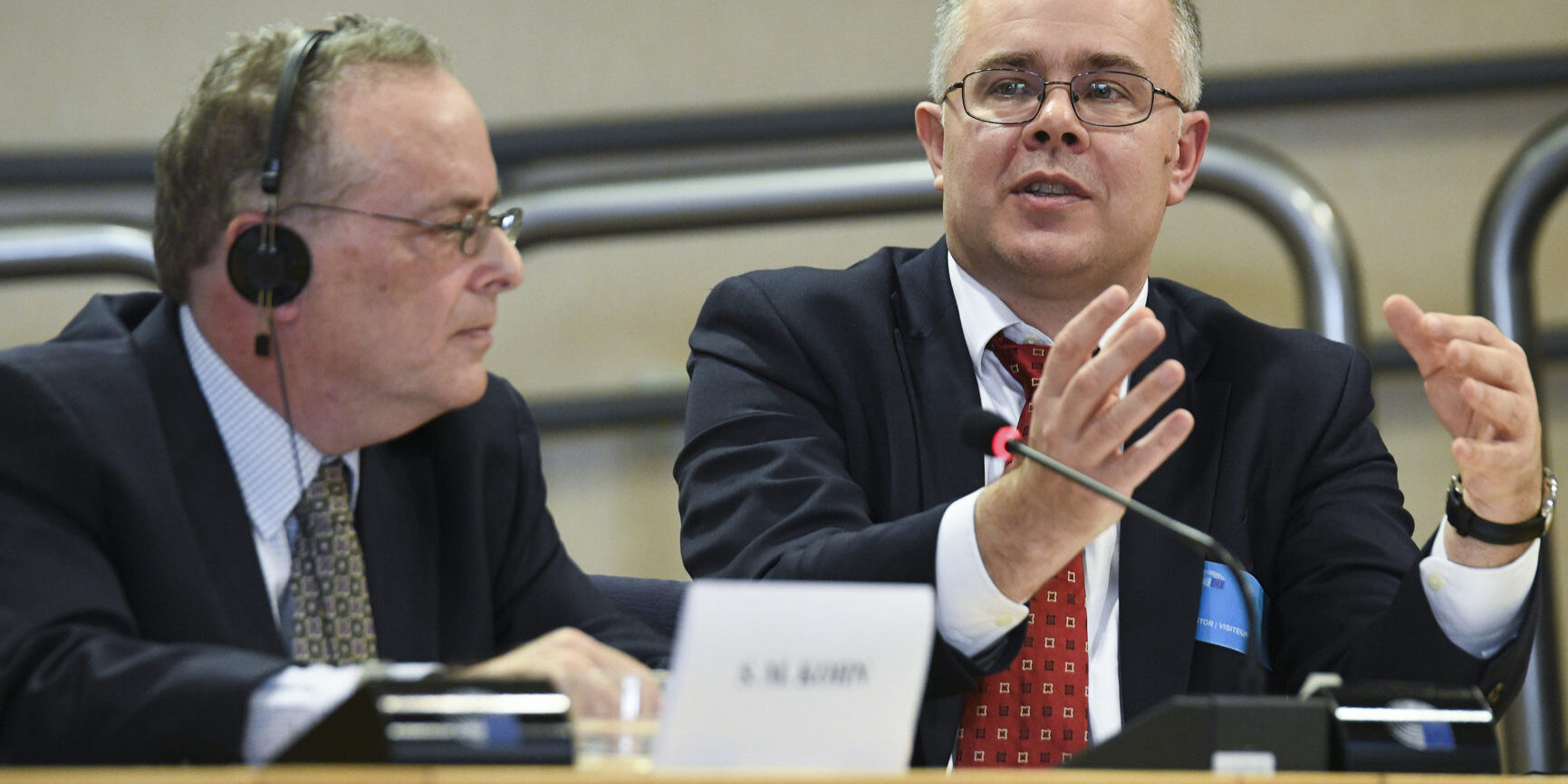
The statement was given on the day after the European Parliament’s legal affairs Committee adopted its report on the whistleblower protection Directive – which was significantly stronger than expected.
Wilkinson reported suspicious financial transactions at Danske Bank’s Estonia branch, where he worked until 2014. It has been calculated that up to $20 billion in fraudulent financial activity have been brought to light by Wilkinson’s disclosures.
Wilkinson told the parliamentary committee that although he chose to report internally, it would be disastrous if the EU insisted on internal reporting as part of a tiered approach to reporting criminal activity and wrongdoing. ‘Ultimately, whistleblowers must have the right to go straight to the authorities’ if they suspect criminal activity of breaking of regulatory rules. It would be strange if the EU enacted legislation which made it even harder to report.
It would be disastrous if the EU insisted on internal reporting as part of a tiered approach to reporting criminal activity and wrongdoing
Wilkinson’s legal counsel Stephen Kohn, who has been representing whistleblowers for more than three decades, informed committee members that he would be forced to actively oppose the EU Directive if mandatory internal reporting was part of the legislation – as this would undermine a whistleblower’s fundamental right to report wrongdoing to the appropriate authorities and law enforcement agencies.
Kohn forthrightly told parliamentarians, the EU’s whistleblower laws ‘must be designed to undercut the fear to report wrongdoing and a culture of silence that permits crimes, such as money laundering, to go undetected by law enforcement agencies’. According to Kohn the EU Directive must both better protect the whistleblower and encourage and incentivise the disclosure of wrongdoing, if the EU is serious about effectively combating financial crimes.
The EU’s whistleblower laws ‘must be designed to undercut the fear to report wrongdoing and a culture of silence that permits crimes, such as money laundering
Kohn noted that increasingly, the premise of modern whistleblower protection laws is about incentivising employees to report hidden fraud. Crimes such as illegal banking, money laundering and foreign bribery all largely take place in secret. Without an ‘insider’ whistleblower to detect, document and report these types of financial crimes, then they can be extremely hard to uncover.
He believes that the EU should harmonise Europe’s whistleblower protections with the highly effective whistleblower laws, that are part of the US tax code. The US-based lawyer also believes the EU needs to identify the toughest whistleblower protection laws among member states and ensure the European legislation takes these on board.
The EU needs to identify the toughest whistleblower protection laws among member states and ensure the European legislation takes these on board
Both Wilkinson and Kohn stressed the importance of Europe’s whistleblowers legislation giving those reporting complete confidentiality and anonymity. Wilkinson said, think of a Danske Bank employee, a single mum, with a mortgage. If she discovers something wrong, is she going to risk everything, her career, her reputation, her financial security? She most probably will not – unless she knows she will enjoy complete anonymity and confidentiality. She may not be fired, but she might suffer come the next round of redundancies. The financial sector in Estonia being fairly small, she will never work in the sector again. Can you ask someone to risk everything on the off-chance that they may me vindicated, years down the line, this would be optimistic in the extreme.
Kohn added: ‘Banks are rational economic actors. Even if they are 90 per cent certain they are going to lose a case against a whistleblower, they will pursue it, if only to discourage future whistleblowing.
Wilkinson’s counsel supports the formation of an EU Whistleblowers Office
Wilkinson’s counsel supports the formation of an EU Whistleblowers Office, tasked with accepting confidential and anonymous complaints. The office would also provide detailed information to perspective whistleblowers both in person and online.
MORE ARTICLES

The European Council must ensure EU delivers on its promise to whistleblowers
The European Council has a responsibility to protect the positive amendments made to the proposal for a whistleblower protection directive adopted by the European Parliament’s legal affairs committee last month.
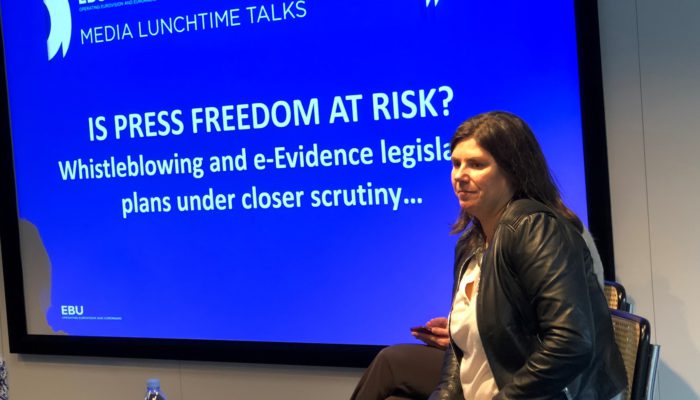
Rozière positions whistleblower protection law as response to public concerns
It would be a real shame if member states’ representatives were now seen as acting against public concerns, in resisting a whistleblower protection law which encourages the reporting of crime and wrongdoing.
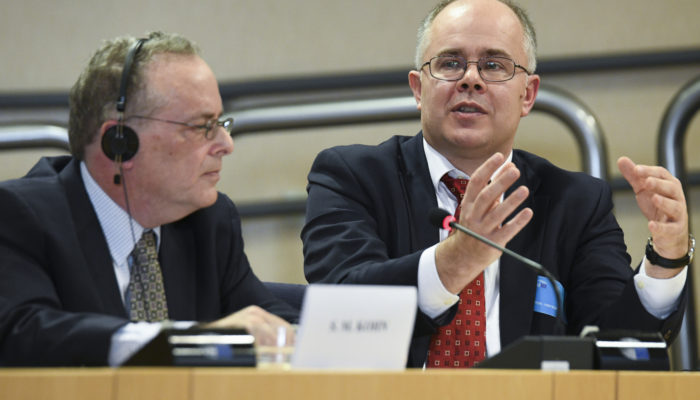
Danske Bank whistleblower testifies at European Parliament
The now famous Danske Bank Whistleblower, Howard Wilkinson, testified before the TAX3 European Parliament Committee last week. Wilkinson reported suspicious financial transactions at Danske Bank’s Estonia branch, where he worked until 2014.

European Parliament takes stand on stronger whistleblower directive
The WhistleblowerProtection.EU platform is celebrating a job well done, after the Legal Affairs Committee of the European Parliament passed a strengthened whistleblower protection directive, on the 20th of November.

Political battles loom in fight for robust European whistleblowers Directive
The EU’s whistleblower protection directive, is in a state of flux, key political battles are being fought right now. The whistleblower proposals as they currently stand, have several Achilles heels tucked into the directive’s fine print.

The role of media and investigative journalism
The LuxLeaks revelations were unprecedented not only in the level of corruption they uncovered, but also in the vast array of journalists from different media organisations working together to uncover corruption.
Why cross-border coherence matters
Many of the biggest whistleblower disclosures of recent years have been international in nature – LuxLeaks and the Panama Papers in particular. As pointed out by the Greens in the European Parliament, there is a general European public interest that often supersedes the national interests of a single member state.
State of play
Protection for whistleblowers in Europe is currently a patchwork affair. Some countries, such as Ireland having robust laws in place, while others, such as Cyprus, have practically none. 16 EU member states have specific laws or provisions, and 10 of those adopted their laws or in the past 5 years.
- « Previous
- 1
- 2
- 3
- 4