
Be prepared for transposition
The whistleblower directive proposal was adopted by the European Parliament 16 April in the first reading face. Now the only thing left is the final rubber-stamping and publication of the proposal in the Official Journal of the EU. Once that is done and dusted we will be moving to the next face: transposition of the directive. Trade unions have the opportunity to influence how the directive will play out on national level.
There are four major issues for trade unions to fix during the two-year transposition period:
1. Fix trade union rights
- The right to be represented by a trade union must be included.
2. Fix the scope
- Workers rights, discrimination and occupational health and safety must be give right to protection when reporting. Or even better: cover breaches in all areas by a horizontal protection.
- Make sure to include national legislation, not only EU law.
3. Fix the internal reporting
- Reporting internally to a line manager, supervisor, or the HR-department must grant protection and not only using the
dedicated internal reporting channel. This is not clear enough in the directive.
4. Fix the criminal-offence trap
- National law determines if reporting persons are liable for “selfstanding criminal offences”. It must be safe to use documents at the work-place for a report without risking criminal liability.

Who are protected by the directive?
The directive protects persons who report in a work-related context in both the private and public sector. The list of who are protected is open but includes more than employees, such as for example self-employed, unpaid volunteers, shareholders and subcontractors. Protection is granted also when in a recruiting process for a new job or after a job has ended. Third persons, such as relatives and colleagues and ‘facilitators’ who give confidential assistance to the whistleblower are protected as well.
What can you blow the whistle on and be protected?
The reporting person must have reasonable grounds to believe that the information reported was true at the time of reporting and that the information falls within the scope of the Directive.
The scope includes breaches in public procurement, financial services, prevention of money laundering and terrorist financing, product safety, transport safety, protection of the environment, radiation protection and nuclear safety, food and feed safety, animal health and welfare, public health, consumer protection, protection of privacy and personal data and security of network and information systems, protection of the financial interests of the Union, breaches of internal market rules, including competition and State aid rules and corporate taxation.
Not only unlawful acts are included in the scope but also acts and omissions that go against the objective of a Union law.

Matin Jefflén
Martin Jefflén is the President of Eurocadres, the trade union voice of European professionals and managers. Eurocadres initiated the platform WhistleblowerProtection.EU in 2016 to work for a strong EU-protection for whistleblowers. The platform now consists of close to 90 trade unions and other civil society organisations.
MORE ARTICLES
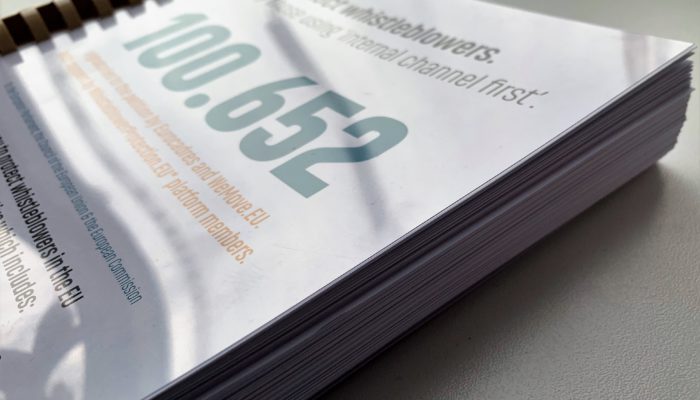
Over a quarter of a million signatories support better whistleblower protection
Today trade unions and NGOs will deliver two petitions gathering over 280,000 signatures supporting the European Parliament’s demands for an improved directive.

European whistleblowers call for better directive
In an open letter to the European Council, Commission and Parliament seven well-known European whistleblowers speak out for changing the directive and removing barriers for safe reporting.
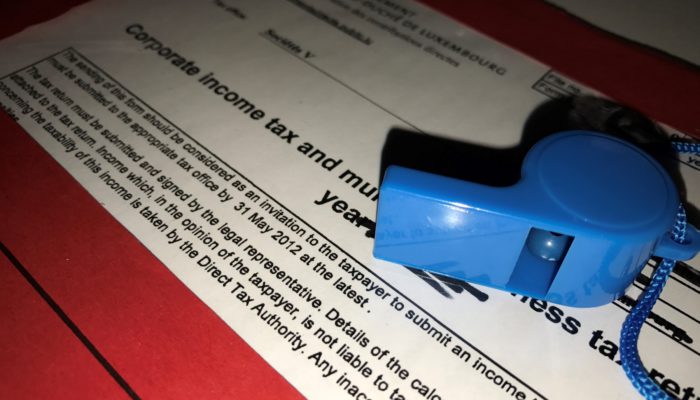
Whistleblowers could be badly served by the EU’s proposed Whistleblowing Directive
The EU Whistleblowing Directive is an idea whose time has come. New whistleblower protection laws in Ireland, France and the Netherlands showed consensus was building among EU Member States on the need to protect and enable workers to speak up about wrongdoing in the workplace.

Change the whistleblower protection directive – or it will not work
The directive must be changed to that whistleblowers can report not only a special internal whistleblowing channel, but also to managers or law enforcement.
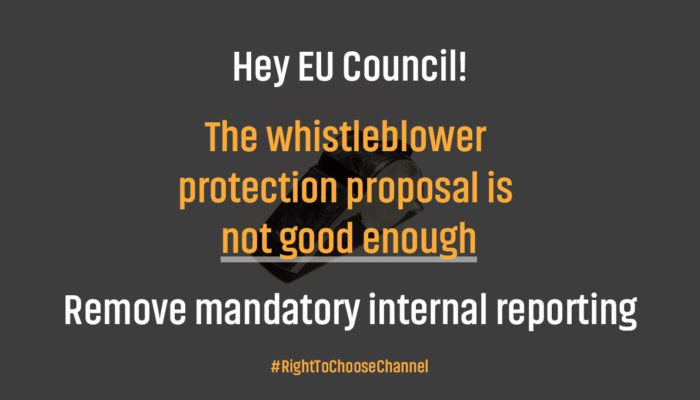
Making whistleblowing work for Europe
In an open letter 81 signing organisations urge the EU Council to adopt the Parliament’s position on reporting channels. The whistleblower protection directive is currently in trilogue. The signatories express serious concerns about the reporting channels regime in the Council and Commission positions in these negotiations.
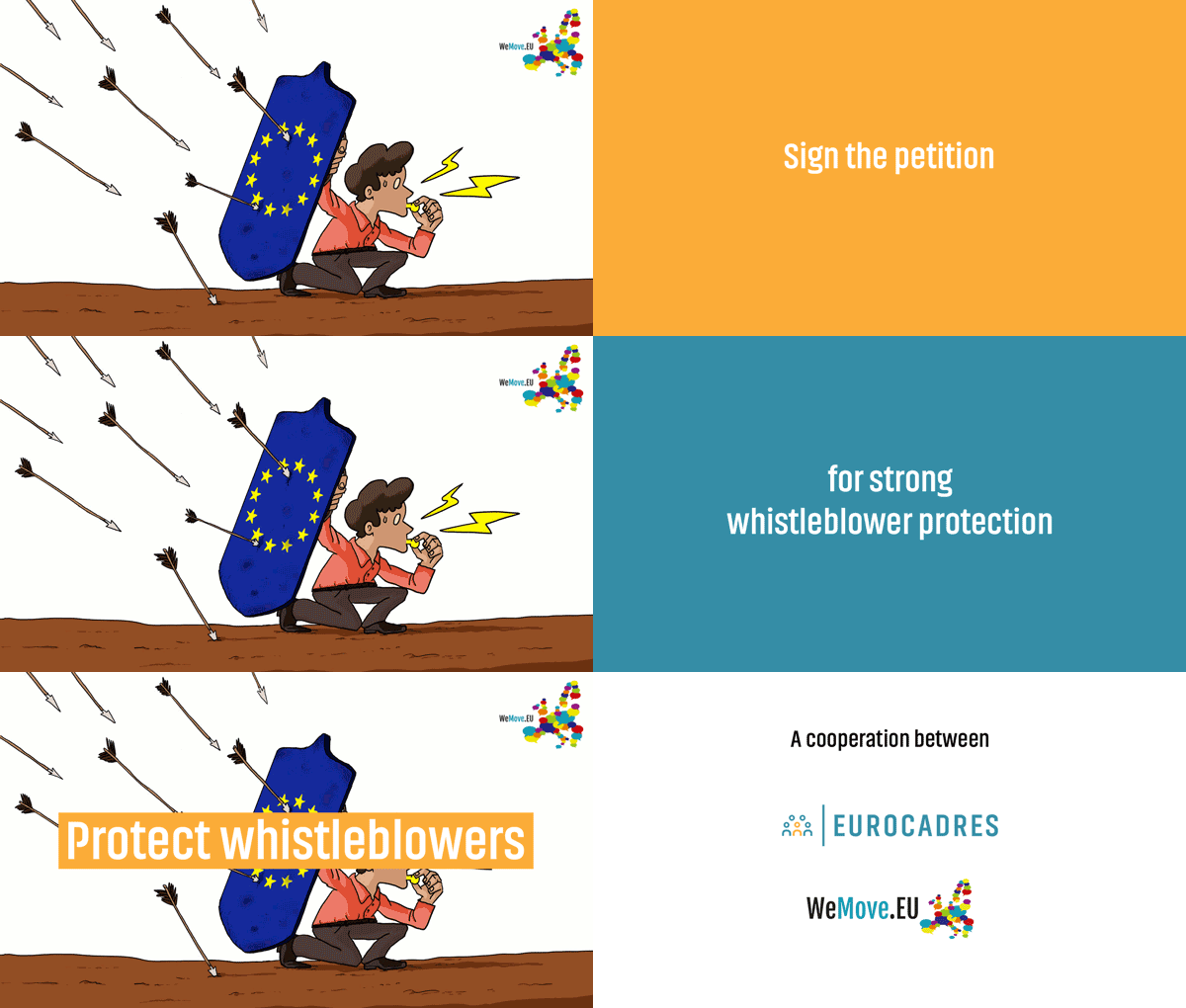
Petitioning for a better whistleblower protection directive
A few weeks left to improve the whistleblower protection directive. Make your voice heard and sign the new petition for strong whistleblower protection!
What can the EU learn from Romania’s experience implementing whistleblower legislation?
The Romanian Presidency will play a key role is securing a robust whistleblower protection Directive, argues R. Nicolae, of Syene. He believes that Romania has a number of strengths which will support it leading the negotiations, as the whistleblower protection file moves from the Council to trilogue.

Will the EU whistleblower directive prohibit the obstruction of justice?
According to the Legal Counsel of the Danske Bank Whistleblower, S. Kohn, the Howard Wilkinson case clearly demonstrates that the EU Whistleblower Directive urgently needs to be revised to protect the right to report directly to law enforcement agencies and regulatory authorities.

The Duty Speech Loophole: how the EU Whistleblower Directive could backfire against its own objectives
Tom Devine, Legal Director of GAP explains why a series of technical contradictions within the EU draft directive need to be resolved, or the legislation could backfire and actually work against whistleblowers.
Legal issues must not derail whistleblower protection law
Council legal opinion must not be used to delay completion of whistleblower protection legislation
- « Previous
- 1
- 2
- 3
- 4
- Next »