
Rozière positions whistleblower protection law as response to public concerns
European institutions have been seen as being too close to lobbyists and vested interests. It would be a real shame if member states’ representatives were now seen as acting against public concerns, in resisting a whistleblower protection law which encourages the reporting of crime and wrongdoing, said Virginie Rozière MEP.
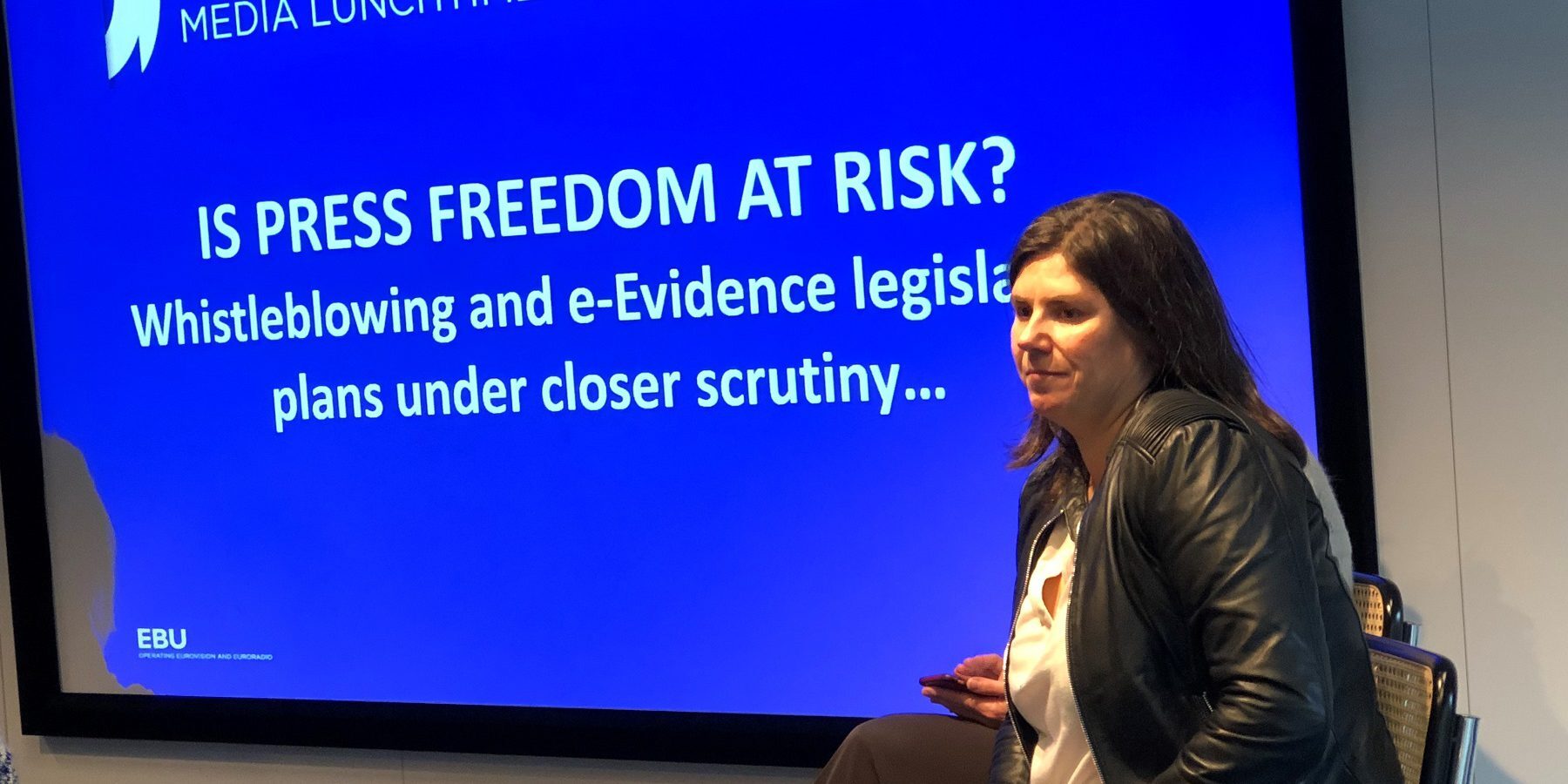
The Rapporteur for the Whistleblower Protection Directive spoke at the recent European Broadcasting Union (EBU) event. Two days after successfully steering the whistleblowers protection measures, through the EP’s Legal Affairs Committee.
‘The European Parliament and the Council have to embrace the fact that elections are close at hand. Whistleblowers have largely driven the current mandate of the European Parliament (EP)’, Rozière stated.
Whistleblowers combat money laundering & tax evasion
If you think about Lux Leaks, the Panama Papers and now the Danske Bank case, whistleblowers interventions and revelations have been essential in helping us combat tax fraud, tax evasion and money laundering, continued the MEP. So, it is important that we in the EP now give them our protection and support with an ambitious whistleblower protection law, which was only partially represented in the initial proposal developed by the European Commission.
Whistleblowers have largely driven the current mandate of the European Parliament
On the strict stepped approach to reporting, where internal reporting is mandatory as a first step, the MEP highlighted the 2014 Council of Europe Recommendation on protection of whistleblowers. It acknowledges that ‘the individual circumstances of each case will determine the most appropriate channel’ when it comes to reporting.
Challenges ahead for directive
Reflecting on the upcoming battle to get the whistleblower protection adopted, Rozière said it could be a challenge to get both the hierarchy between external and internal reporting deleted and reporting on workers’ rights added, as there seems to be reservations in both the Council and from the Commission.
Whistleblowers are best placed to determine whom to disclose the information they have uncovered to, including reporting to the media
Chairing the event, Nicola Frank, EBU’s Head of European Affairs emphasised the importance of whistleblowers as a source for investigative journalism. She also noted that whistleblowers are best placed to determine whom to disclose the information they have uncovered to, including reporting to the media, which was included in the report on the directive, recently adopted by the EP. Frank welcomed the EP committee’s decision to delete the stepped approach to reporting, despite fierce political opposition.
MORE ARTICLES
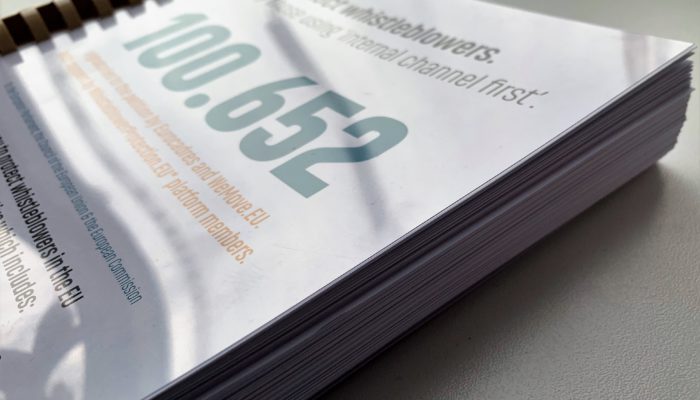
Over a quarter of a million signatories support better whistleblower protection
Today trade unions and NGOs will deliver two petitions gathering over 280,000 signatures supporting the European Parliament’s demands for an improved directive.

European whistleblowers call for better directive
In an open letter to the European Council, Commission and Parliament seven well-known European whistleblowers speak out for changing the directive and removing barriers for safe reporting.
Whistleblowers could be badly served by the EU’s proposed Whistleblowing Directive
The EU Whistleblowing Directive is an idea whose time has come. New whistleblower protection laws in Ireland, France and the Netherlands showed consensus was building among EU Member States on the need to protect and enable workers to speak up about wrongdoing in the workplace.

Change the whistleblower protection directive – or it will not work
The directive must be changed to that whistleblowers can report not only a special internal whistleblowing channel, but also to managers or law enforcement.
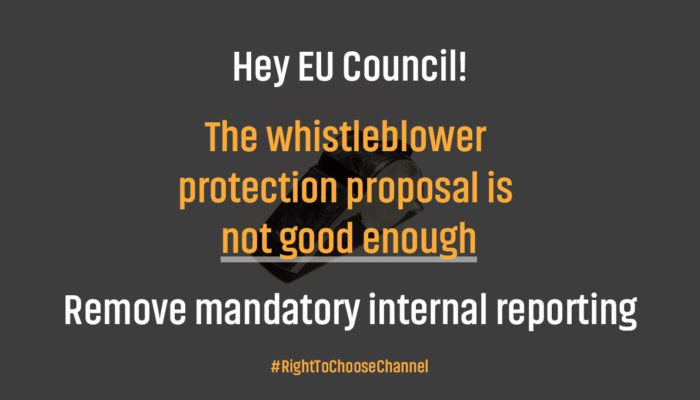
Making whistleblowing work for Europe
In an open letter 81 signing organisations urge the EU Council to adopt the Parliament’s position on reporting channels. The whistleblower protection directive is currently in trilogue. The signatories express serious concerns about the reporting channels regime in the Council and Commission positions in these negotiations.
Petitioning for a better whistleblower protection directive
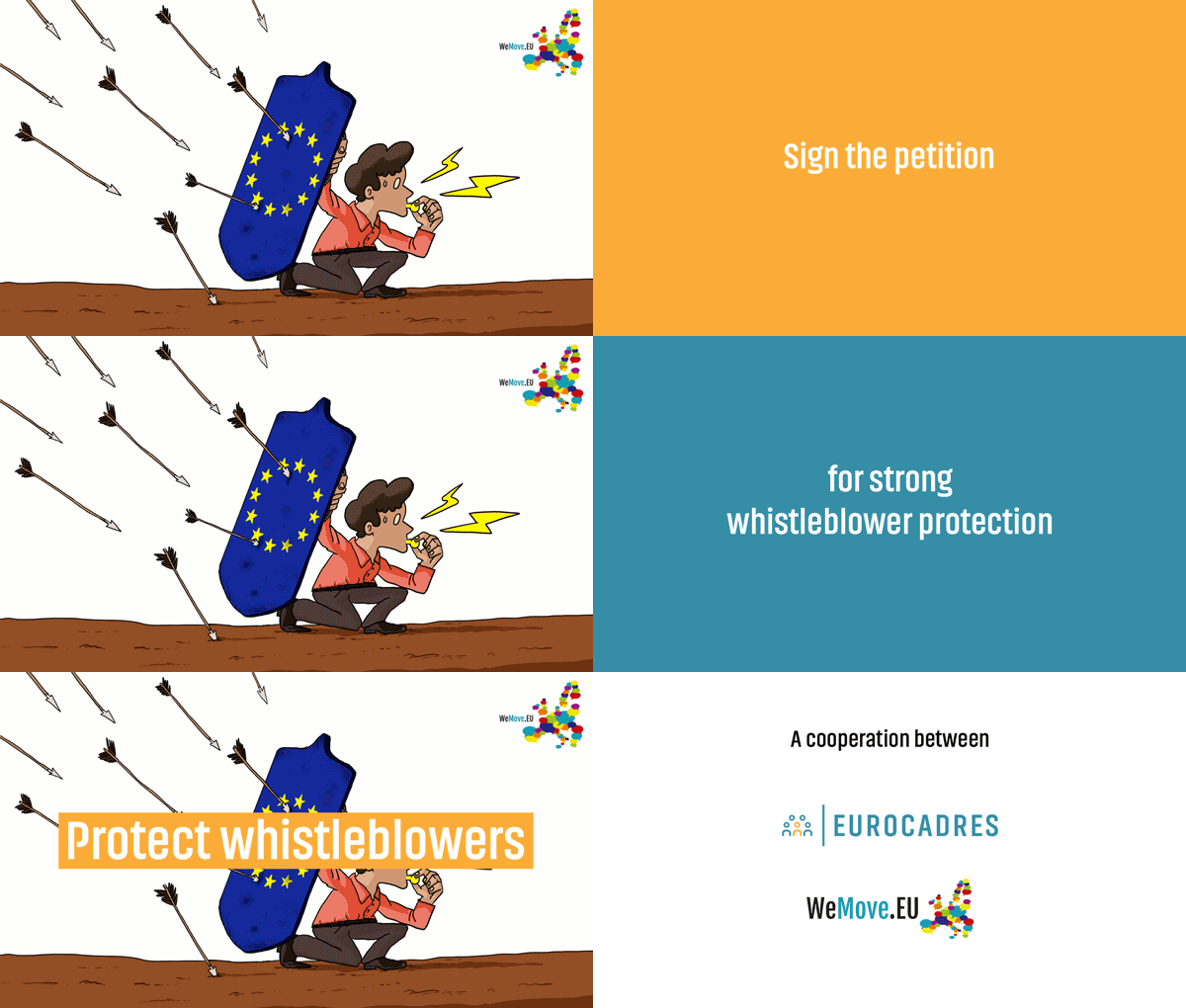
A few weeks left to improve the whistleblower protection directive. Make your voice heard and sign the new petition for strong whistleblower protection!
What can the EU learn from Romania’s experience implementing whistleblower legislation?
The Romanian Presidency will play a key role is securing a robust whistleblower protection Directive, argues R. Nicolae, of Syene. He believes that Romania has a number of strengths which will support it leading the negotiations, as the whistleblower protection file moves from the Council to trilogue.

Will the EU whistleblower directive prohibit the obstruction of justice?
According to the Legal Counsel of the Danske Bank Whistleblower, S. Kohn, the Howard Wilkinson case clearly demonstrates that the EU Whistleblower Directive urgently needs to be revised to protect the right to report directly to law enforcement agencies and regulatory authorities.

The Duty Speech Loophole: how the EU Whistleblower Directive could backfire against its own objectives
Tom Devine, Legal Director of GAP explains why a series of technical contradictions within the EU draft directive need to be resolved, or the legislation could backfire and actually work against whistleblowers.
Legal issues must not derail whistleblower protection law
Council legal opinion must not be used to delay completion of whistleblower protection legislation
- « Previous
- 1
- 2
- 3
- 4
- Next »