
Best practice guide on whistleblowing for trade unions
What should be the role of trade unions in whistleblowing? Which internal arrangements, should be in place to establish a culture which promotes whistleblowing? In a toolkit developed in a project cooperation between Protect and Eurocadres a best practice for whistleblowing is put forward.
The toolkit is an outcome of a project carried out by Eurocadres in cooperation with Protect, the UK’s whistleblowing charity with over 25 years’ experience advising workers on whistleblowing rights and promoting best practice amongst employers. Protect is also part of WhistleblowerProtection.EU, the whistleblowing directive campaign and advocacy platform created by Eurocadres. The project including the development of the toolkit is financed by the European Commission,
–We are immensely proud to today present the fruits of our project cooperation with Protect. It has been an absolute joy to cooperate with and learn from Protect and their over 25 years of experience of promoting whistleblowers rights. We are convinced that this toolkit can be a strong support to trade unions in engaging more actively in the whistleblowing process, says Martin Jefflén, Eurocadres President.
We are convinced that this toolkit can be a strong support to trade unions in engaging more actively in the whistleblowing process,
In a foreword to the publication Martin Jefflén, Eurocadres President writes: After several years of hard work there is now an EU Directive in place to protect whistleblowers. The Whistleblowing Directive offers both an opportunity and a responsibility for trade unions, and not only for trade unions representing professionals and managers.
Complex role of trade unions
The toolkit contains a model policy and discusses the sometimes complex role of trade unions, sometimes representing both the whistleblower and the person accused of wrongdoing. In a number of case studies the reader is invited to reflect on practical situations, which lessons can be learned from these situations, and what trade unions can do to help in these cases.
With the Whistleblowing Directive under transposition all trade unions with more than 50 employees will eventually be obliged to put in place an internal reporting channel. The toolkit is to assist trade unions in the work to engage with employers in the setup of internal reporting channels.
Webinar launch
During the Eurocadres webinar Workers with whistles on 3 December, Elizabeth Gardiner, Chief Executive of Protect introduced the toolkit underlining this aspect:
I hope that this toolkit will help trade unions take up those opportunities in developing effective channels with their employers and fulfill their responsibilities of better supporting those who are trying to speak up to stop harm.
–I hope that this toolkit will help trade unions take up those opportunities in developing effective channels with their employers and fulfill their responsibilities of better supporting those who are trying to speak up to stop harm.
MORE ARTICLES
Over a quarter of a million signatories support better whistleblower protection
Today trade unions and NGOs will deliver two petitions gathering over 280,000 signatures supporting the European Parliament’s demands for an improved directive.

European whistleblowers call for better directive
In an open letter to the European Council, Commission and Parliament seven well-known European whistleblowers speak out for changing the directive and removing barriers for safe reporting.
Whistleblowers could be badly served by the EU’s proposed Whistleblowing Directive
The EU Whistleblowing Directive is an idea whose time has come. New whistleblower protection laws in Ireland, France and the Netherlands showed consensus was building among EU Member States on the need to protect and enable workers to speak up about wrongdoing in the workplace.

Change the whistleblower protection directive – or it will not work
The directive must be changed to that whistleblowers can report not only a special internal whistleblowing channel, but also to managers or law enforcement.
Making whistleblowing work for Europe
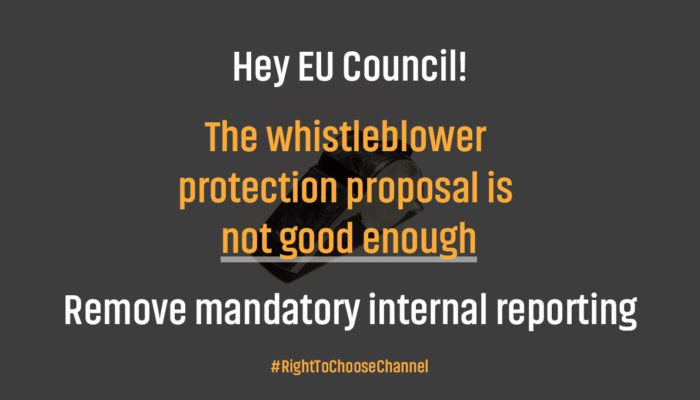
In an open letter 81 signing organisations urge the EU Council to adopt the Parliament’s position on reporting channels. The whistleblower protection directive is currently in trilogue. The signatories express serious concerns about the reporting channels regime in the Council and Commission positions in these negotiations.
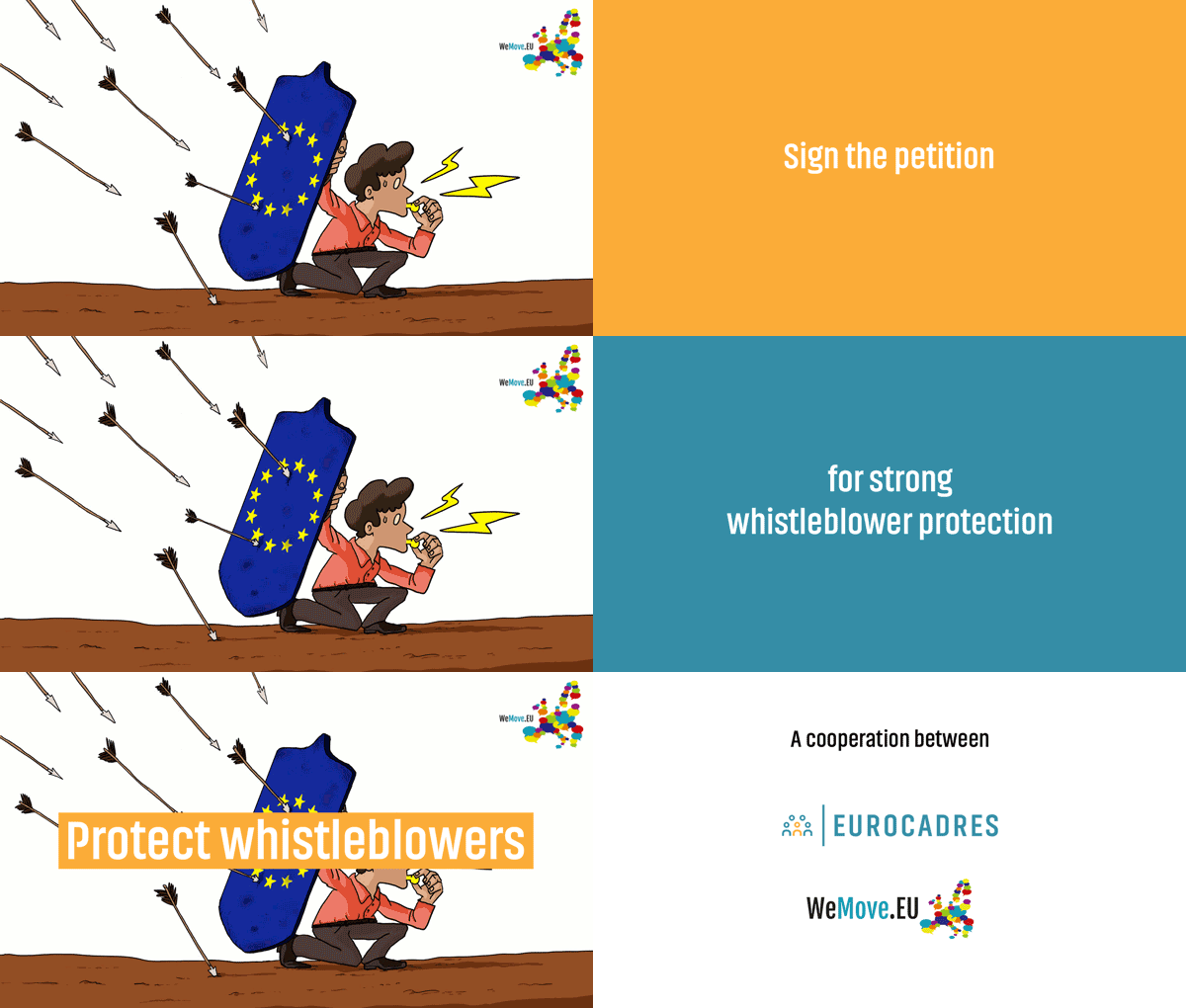
Petitioning for a better whistleblower protection directive
A few weeks left to improve the whistleblower protection directive. Make your voice heard and sign the new petition for strong whistleblower protection!

What can the EU learn from Romania’s experience implementing whistleblower legislation?
The Romanian Presidency will play a key role is securing a robust whistleblower protection Directive, argues R. Nicolae, of Syene. He believes that Romania has a number of strengths which will support it leading the negotiations, as the whistleblower protection file moves from the Council to trilogue.

Will the EU whistleblower directive prohibit the obstruction of justice?
According to the Legal Counsel of the Danske Bank Whistleblower, S. Kohn, the Howard Wilkinson case clearly demonstrates that the EU Whistleblower Directive urgently needs to be revised to protect the right to report directly to law enforcement agencies and regulatory authorities.

The Duty Speech Loophole: how the EU Whistleblower Directive could backfire against its own objectives
Tom Devine, Legal Director of GAP explains why a series of technical contradictions within the EU draft directive need to be resolved, or the legislation could backfire and actually work against whistleblowers.
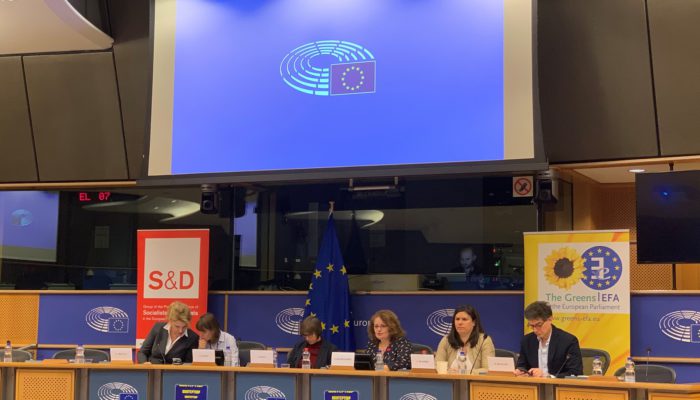
Legal issues must not derail whistleblower protection law
Council legal opinion must not be used to delay completion of whistleblower protection legislation
- « Previous
- 1
- 2
- 3
- 4
- Next »